Telath: A Friendly Display Font for Editorial Design
When designing a lifestyle blog cover, the choice of font can make or break the visual impact. I recently found myself in that exact situation, tasked with revamping the header of a popular wellness blog. After testing several options, I settled on Telath, a display font that brings warmth and personality to any layout. Its friendly character and clean structure made it the perfect fit for both digital and print formats.
Telath for Lifestyle Blog Headers and Branding
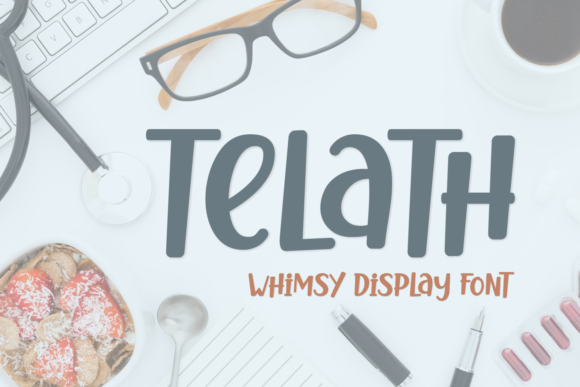
Telath is a unique display font that blends approachability with elegance. Its rounded forms and balanced spacing create a sense of familiarity while still maintaining a modern aesthetic. When used as a blog header, Telath immediately draws the eye without overwhelming the reader. I tested it against a busy background and found that its legibility remained strong even when placed over vibrant visuals.
The font’s versatility shines through in editorial design. Whether it’s for a lifestyle blog, a recipe ebook, or a wedding guide, Telath adapts effortlessly to different contexts. Its friendly tone aligns well with brands that aim to connect with their audience on a personal level. For instance, using Telath as a headline in a printable planner gives it a welcoming feel, encouraging users to engage with the content more deeply.
Telath for Printables and Creative Projects
In my recent work on a coaching workbook, I needed a font that could balance professionalism with creativity. Telath was an excellent choice for section headings and pull quotes. Its expressive curves and consistent rhythm add visual interest without sacrificing readability. I paired it with a clean sans serif font for body text, ensuring that the overall layout remained cohesive and easy to follow.
For printables like planners, worksheets, and course PDFs, Telath offers a stylish alternative to traditional display fonts. It works particularly well in social media graphics and web design, where bold typography can help content stand out. The font’s ability to maintain clarity across various platforms—from mobile screens to printed materials—makes it a reliable choice for designers who value consistency.
Telath for Digital Magazines and Newsletter Graphics
Designing a digital magazine layout often involves balancing aesthetics with functionality. Telath proved to be a valuable asset in this process. As a cover font, it commands attention while remaining approachable. When used in newsletter headers or feature pages, it adds a touch of sophistication that complements the editorial content.
I also tested Telath in a creator newsletter, where it served as both a title font and a decorative accent. Its friendly nature made it ideal for pull quotes and chapter openers, helping to guide the reader through the content. The font’s ligatures and alternates added subtle variety, keeping the design from feeling repetitive.
Telath for Readability and Visual Hierarchy
While Telath excels in headlines and titles, it’s important to consider its use in longer content. As a display font, it’s not designed for dense paragraphs or small captions. However, when used strategically—such as in section headings or pull quotes—it enhances the visual hierarchy without compromising readability.
For optimal performance, I recommend pairing Telath with a readable serif or sans serif font for body copy. This combination ensures that the layout remains accessible across different screen sizes and device types. Additionally, checking the font’s included styles, weights, and multilingual support is essential before using it in ebooks, templates, or client publications.
Telath for Brand Identity and Content Structure
Building a strong brand identity often starts with typography. Telath offers a distinctive yet versatile option for creating a memorable brand presence. Its friendly character makes it suitable for creative fonts used in logo design, packaging design, and social media graphics. Whether you’re launching a new digital product or updating an existing brand, Telath can help reinforce your editorial voice.
As a Fonts designer, I appreciate how Telath supports both content structure and reader engagement. Its rhythmic flow and expressive curves encourage a natural reading experience, making it ideal for editorial features, content branding, and creative projects. By incorporating Telath into your design toolkit, you gain a powerful tool for enhancing visual appeal and editorial impact.