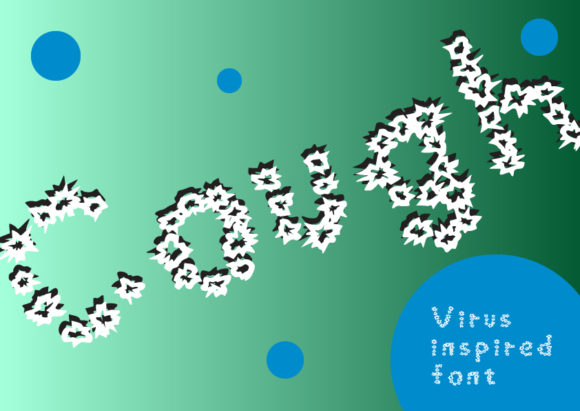
Cough Font for Creative Display Needs
Cough in a Lifestyle Blog Redesign
Choosing the right font for a lifestyle blog can be like finding the perfect outfit — it needs to match the mood, stand out, and feel just right. When I first encountered Cough, a unique display font inspired by bacteria and virus shapes, I was drawn to its original and cute look. It immediately felt like a fresh take on modern typography, something that could inject personality into a blog header or feature section.
Cough has a rhythm that’s both playful and structured. Its curves and angular elements mimic the forms of microscopic life, giving it an almost organic texture. This makes it ideal for editorial projects where you want to communicate a sense of curiosity or innovation. In my recent blog redesign, I used Cough for the main title and found it added a whimsical yet professional tone that aligned perfectly with the content.
Cough for Recipe Ebook Titles and Chapter Headings
When working on a recipe ebook, the choice of Cough as a display font transformed the visual identity of the project. The font’s cute and original character gave each chapter opener a sense of fun without compromising readability. I paired Cough with a clean sans serif font for body text, ensuring that the playful nature of the title didn’t interfere with the clarity of the instructions.
The use of Cough also allowed me to create decorative accents, such as pull quotes and section headers, that stood out from the rest of the layout. It brought a unique energy to the design that made the content feel more engaging and approachable. For readers who enjoy creative and visually appealing content, this font is a great choice for titles and headings in any lifestyle or educational publication.
Cough in Digital Magazine Layouts and Newsletter Graphics
In digital magazine layouts, Cough proved to be a versatile display font that could adapt to different editorial moods. Whether I was designing a feature page about health or a story on environmental science, the font’s unique style helped maintain a consistent brand identity. It worked particularly well for headlines and subheadings, where it drew attention without overwhelming the reader.
I also tested Cough in newsletter graphics and found it to be a strong candidate for call-to-action buttons and promotional banners. Its cute look added a friendly touch to otherwise formal content, making the newsletter feel more personal and inviting. However, it’s important to note that Cough may not be suitable for long-form reading or dense paragraphs, as its expressive nature can make it harder to read in extended blocks of text.
Cough for Coaching Workbooks and Printable Planners
For a coaching workbook aimed at helping users track their goals and progress, I experimented with using Cough for chapter titles and section headers. The font’s original and cute look created a warm and encouraging atmosphere that resonated well with the audience. I ensured that the font was only used for decorative elements, keeping the body text in a more readable serif font.
Similarly, when designing a printable planner, Cough added a fun and creative flair to the cover and monthly calendars. It helped differentiate the product from other planners on the market and made it more appealing to users looking for something unique. Just like with any display font, it’s crucial to check for included styles, ligatures, and multilingual support before using it in commercial products or client projects.
Cough in Editorial Design and Branding
As an editorial designer, I value fonts that contribute to a publication’s identity while maintaining readability. Cough has become a go-to option for projects where a distinctive and memorable typeface is needed. Its inspiration from bacteria and virus gives it a subtle edge that feels both modern and imaginative, making it a great fit for niche publications or content that aims to stand out.
Whether it's for a wedding guide, a course PDF, or a creative newsletter, Cough brings a fresh perspective to any layout. It supports visual hierarchy and reader attention by drawing the eye to key elements without being too overwhelming. For those looking to elevate their editorial designs with a unique font that still maintains professionalism, Cough is a compelling choice.